

Samsung has reported a record third-quarter operating profit, attributing the result to strong demand for memory chips as artificial intelligence-related build-outs continue. However, investors appeared to react cautiously to the company’s quarterly update, with some attention shifting to chip-division performance and the timing of details on shareholder returns.
According to the figures cited in the release, Samsung’s memory and chip business generated 106.5 trillion won, equivalent to about USD 80 billion. The chip division’s result was described as slightly below expectations.
While the overall operating profit was characterized as historic, commentary included in the release suggested the market treated even a record outcome as less surprising than before, given how strongly AI-linked trade has influenced investor expectations across semiconductors.
One concern highlighted in the accompanying market commentary was that the schedule for Samsung’s shareholder return plan moved to January. The release states that investors sought more detail after the quarter, but received a date in January instead.
The commentary also pointed to the concentration of Samsung’s profitability in its chip business. It states that profits from areas outside chips, which contributed around 5 trillion won a year earlier, had narrowed to less than 1 trillion won in the current quarter. It further notes that the company’s smartphones segment slid into the red.
Analyst: AI-driven memory demand still central to the outlook
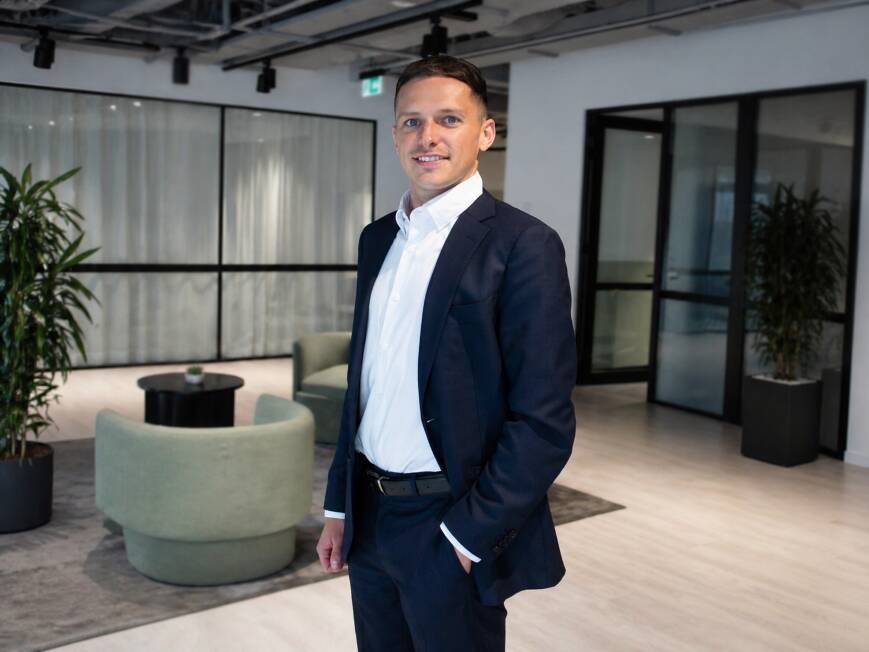
Josh Gilbert, Lead Analyst for APAC at etoro, said in the material provided that the quarter’s result was exceptionally large, but that market expectations had shifted. Gilbert also argued that Samsung’s financial performance is increasingly tied to memory prices, given the greater share of operating profit coming from chips.
Gilbert added that the major question is how long the current cycle can last, especially as companies adjust capacity and as AI-related demand continues to shape semiconductor procurement patterns.
The release referenced expectations from SK Hynix, noting that SK Hynix reportedly said it expects demand to outstrip supply through 2030. It also states that Samsung shares rose 9% following that backdrop, which the commentary linked to why the day-to-day market response to Samsung’s own profit announcement was described as subdued.
Capacity spending meets long-term uncertainty
Additional commentary in the release pointed to longer-term concerns about Samsung’s spending on new capacity in an industry that has historically moved from periods of expansion to downturns. The material also states that Samsung itself indicated the memory shortage is deepening rather than easing.
The release further cited an example of continued AI-related platform spending: it says Microsoft flagged pricier memory as one of the reasons its spending would increase in the second half of its financial year.
Samsung’s record Q3 profit is therefore being presented as both a sign of continued AI-driven chip demand and a reminder that near-term earnings performance may remain highly sensitive to memory pricing and the pace of industry capacity additions.


