

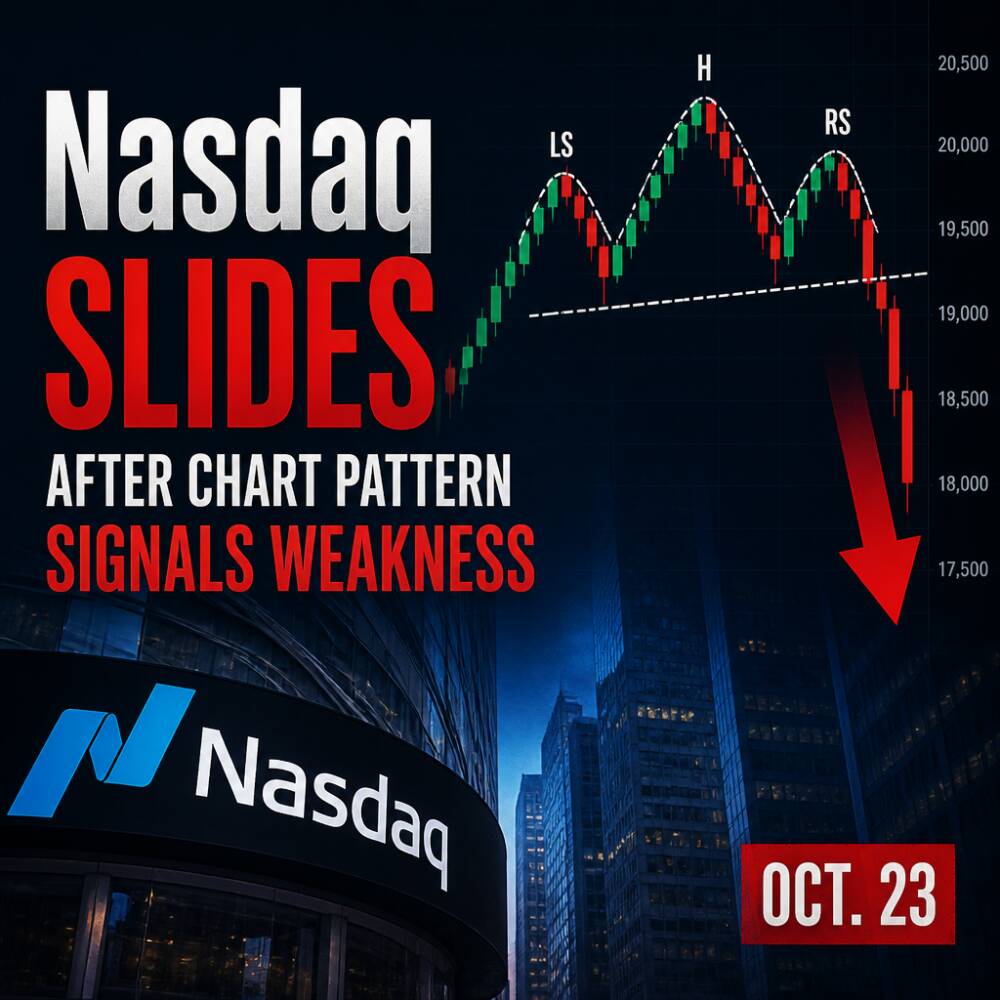
Markets spent much of the week trading the forward outlook for artificial intelligence (AI) alongside heightened attention to the Iran conflict. Despite several high-profile earnings releases from major technology companies, investors focused on the balance between AI monetization and escalating costs, contributing to a pullback in AI-linked shares.
Energy prices also remained a key macro driver. U.S. oil prices hovered above $100 per barrel as geopolitical risk supported demand for crude, while safe-haven flows pushed 10-year Treasury yields down nearly 10 basis points to 5.0% over the week, alongside a decline in the Nasdaq-100.
Key takeaways
- Nasdaq-100 ends the week lower: The index was down 1%, reflecting renewed pressure on AI-related equities.
- Earnings beats were not enough: Mega-cap results from companies including SPCX, TSLA, and META (after adjusting for META’s large legal settlement) did not fully offset investor concerns around AI revenue pace and spending.
- Geopolitics supported oil: U.S. crude prices stayed above $100 per barrel as the Iran conflict continued.
- Rates moved lower on safe-haven demand: The decline in the 10-year yield to 5.0% aligned with risk-off positioning amid AI stock selling.
What drove the market move
The week’s trading theme was less about economic data and more about expectations for AI infrastructure economics. According to the reporting in the article, there were few catalysts in the data calendar, with market attention instead anchored to two competing narratives: AI adoption and monetization versus the near-term burden of higher spending.
Even with earnings beats from mega-cap companies—including SPCX, TSLA and META after adjusting for META’s large legal settlement—investors appeared to recalibrate around forward guidance and the cost trajectory associated with building and scaling AI capabilities. The article noted that Nasdaq-100® was on pace for 45% per annum earnings growth in the third quarter after those results, but the stock market reaction suggested that investors were not willing to look past the spending component.
At the same time, the Iran conflict kept crude markets sensitive to supply and risk premia. The article said U.S. oil prices hovered above $100 per barrel, reinforcing the broader inflation and rates channel that often influences equity valuations, particularly those tied to longer-duration cash flows such as high-growth technology.
Market reaction in equities and rates
According to the article, the Nasdaq-100® fell 1% for the week as AI-linked names were sold. The move was paired with a shift in bond markets: apparent safe-haven demand pushed 10-year Treasury yields down nearly 10 basis points to 5.0%.
The combination of a weaker Nasdaq and lower Treasury yields points to a market that was simultaneously easing its interest-rate expectations and tightening financial conditions for high-multiple growth stocks. Lower yields can sometimes support risk assets, but in this case the equity selloff suggests investors were primarily focused on the earnings quality of AI-related investment rather than only the discount-rate environment.
What to watch next week
With the next week’s calendar heavier on both policy and corporate updates, the market is likely to focus on any guidance that clarifies the pace of AI monetization and the durability of cost discipline.
- Wednesday: The Fed rate decision and earnings from GOOG and MSFT for the third quarter.
- Thursday: Third-quarter real GDP growth, PCE inflation and spending for September, jobless claims for the week ending Oct. 24, and earnings from AMZN for the third quarter.
- Friday: The Employment Cost Index for the third quarter.
Investors will be watching for signals on whether AI spending is translating into revenue growth fast enough to support equity valuations, while geopolitical developments will remain a potential catalyst for crude prices and, by extension, broader inflation expectations. The Fed decision, inflation data, and major tech earnings are likely to set the tone for how markets price both growth and rates into year-end.


