

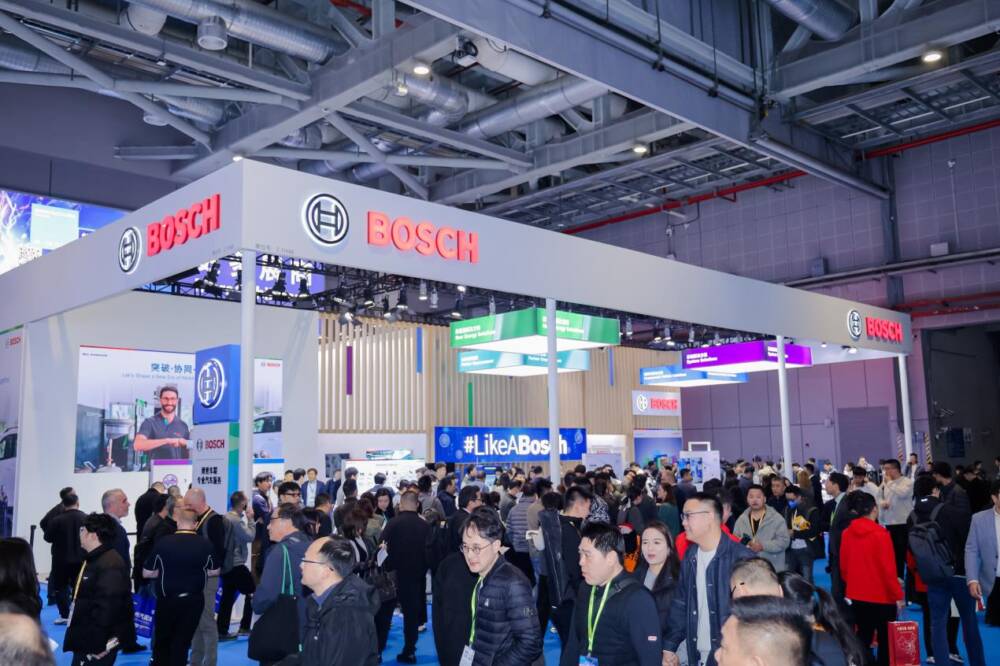
Automechanika Shanghai 2026 will expand its New Energy and Connectivity programming by 20%, according to organiser information, as the exhibition in China prepares to run December 2 to 5 at the National Exhibition and Convention Center (Shanghai). The fair is positioned to bring together industry players around electric powertrains, connected vehicles and the evolving needs of commercial fleet operators across multiple markets.
Organisers said the event will assemble 7,600 exhibitors and expects nearly half of them to showcase products or services related to new energy. The New Energy and Connectivity area is described as covering intelligent components, embedded artificial intelligence, batteries, charging and battery-swapping infrastructure, as well as technologies including smart cockpits and autonomous driving.
The exhibition will also include sessions and matchmaking activities focused on standardisation, testing and certification, which the organisers say are intended to support safety, reliability and adoption of new solutions across different markets. The Automotive Industry Action Group (AIAG) is listed as providing dedicated insights on international quality assurance and carbon management standards through specialised zones, summits and matchmaking.
Conference focus on intelligent connected vehicle approval
A flagship element of the conference programme will be the Intelligent Connected Vehicle Innovation and Development Conference 2026, described as focusing on intelligent connected vehicle product type approval, autonomous driving innovations, and the global integration of AI foundation models.
Organisers said the conference is particularly relevant to the UAE, Saudi Arabia and Egypt because deployment depends on compatibility with local technical requirements and operating conditions. The release also noted that Egypt’s discussions align with efforts to expand local automotive manufacturing and build technical capabilities for electric and connected vehicles.
Commercial transport and fleet ecosystems in focus
Beyond passenger vehicles, Automechanika Shanghai’s commercial-transport storyline highlights electrification moving beyond individual components toward what the organisers call integrated ecosystems. The programme outline describes these ecosystems as combining charging infrastructure, battery operations and automated logistics networks.
Among the companies cited in the organiser’s preview, Henglong Group is described as expanding products including advanced steering systems tailored for Level 2 and higher autonomous trucks. WLY is described as producing transmission systems and gear shafts engineered for hybrid and electric commercial fleets. Additional names listed include Dongfeng Wheel for lightweighting technologies for commercial vehicles, Doublestar for tyre carcass structures, and workshop suppliers FCAR and MAXIMA for high-voltage auxiliary power solutions and heavy-duty mobile column lifts certified to international safety standards.
The Electric Logistics & Commercial Vehicles International Forum 2026 is expected to cover topics including ultra-fast charging systems, solar-storage-charging integrated zero-carbon logistics parks, and battery operational solutions for high-intensity commercial fleet activities, according to the organiser preview.
Regional public transport and pilots cited
The release also referenced several regional developments. In the UAE, Dubai’s Roads and Transport Authority (RTA) said in January 2026 that it had received 250 buses as part of a wider procurement contract for 735 vehicles, including 40 electric buses. The organiser summary states the buses were built to Gulf specifications, tested locally, and were reported by RTA to have a range of up to 280 kilometres on a single charge.
In Abu Dhabi, the Integrated Transport Centre reported in February 2026 that it had overseen pilot operations of autonomous logistics trucks with Autotech and AD Ports Group, with trials taking place on dedicated routes within Khalifa Economic Zones Abu Dhabi (KEZAD) under approved regulatory frameworks and operational standards.
In Saudi Arabia, DSV announced in October 2026 that it was preparing to introduce 10 electric trucks into its Riyadh operations by mid-November, working with EVIQ and Hala Auto. The release says Hala Auto would supply the vehicles, while EVIQ would develop depot charging infrastructure and provide access to its wider network.
For Egypt, the preview cited figures reported by Arab Finance and attributed to the Automotive Market Information Council, stating that bus sales rose by 78.5% year on year in the first eight months of 2026, while truck sales increased by 22.7%, with coverage across all powertrains. It also said Egypt is targeting annual production of up to 100,000 EVs by 2032, and referenced a reported start of local Dongfeng Mage EV production as an example of cooperation with Chinese manufacturers.
Repair training for new-energy commercial vehicles
Automechanika Shanghai’s Green Repair Area is described as addressing aftermarket needs through technical training on battery, motor and electronic control systems, along with inspection and repair case studies for new energy heavy-duty truck components such as wheel-ends and axles.
Messe Frankfurt (Shanghai) Co Ltd and Sinomachint (China National Machinery Industry International Co Ltd) are listed as the event organisers.


